18 May 2026
Inbuilt Wood Fireplaces: Everything You Need to Know Before You Build
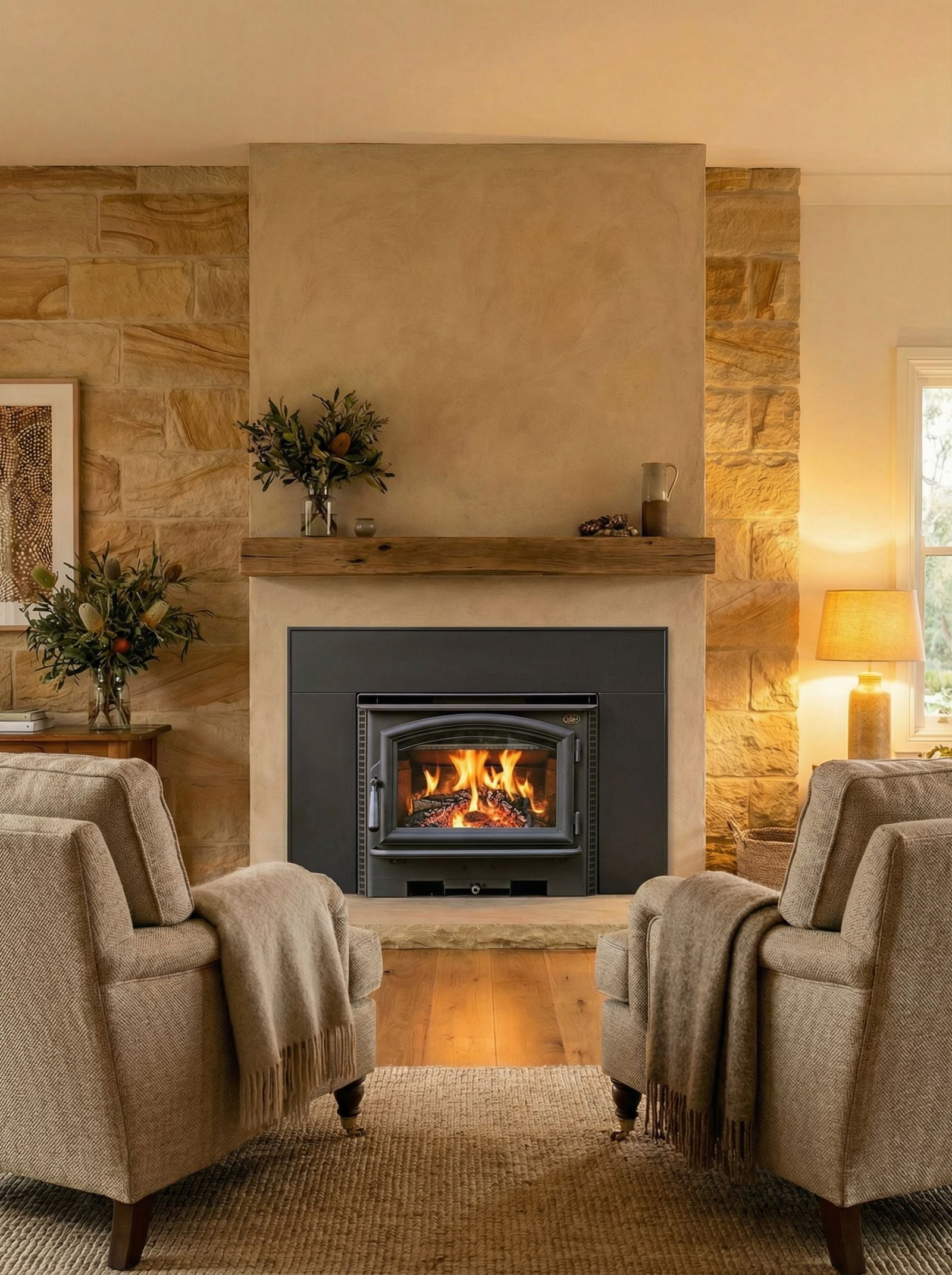 |
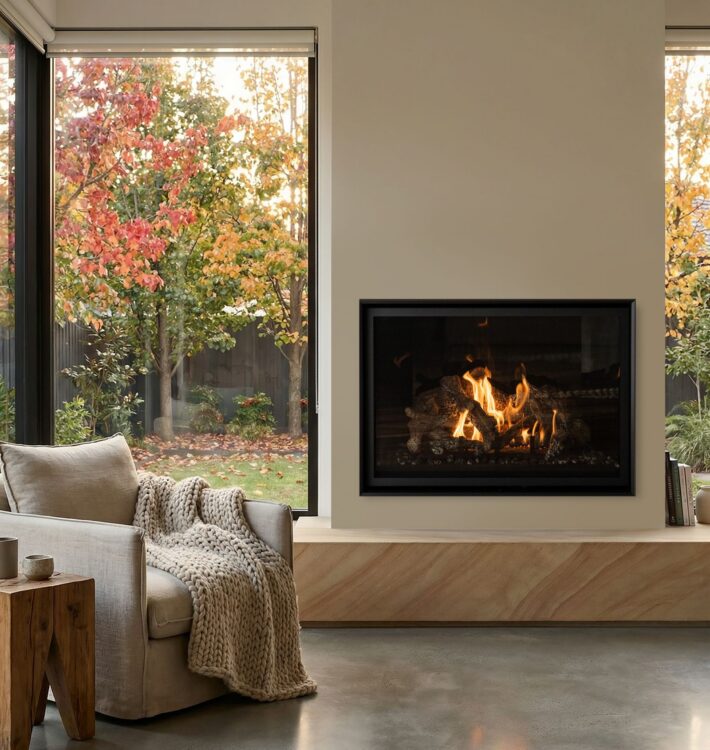
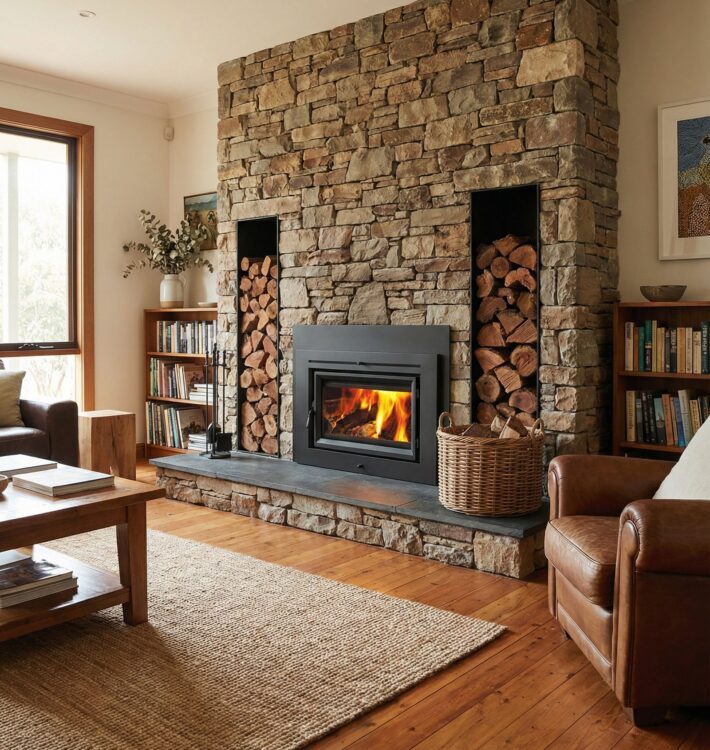
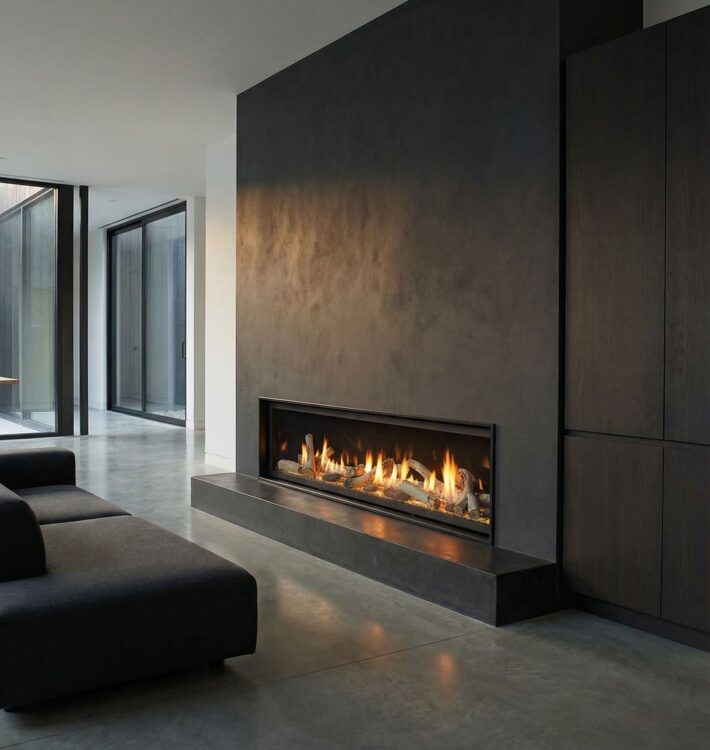
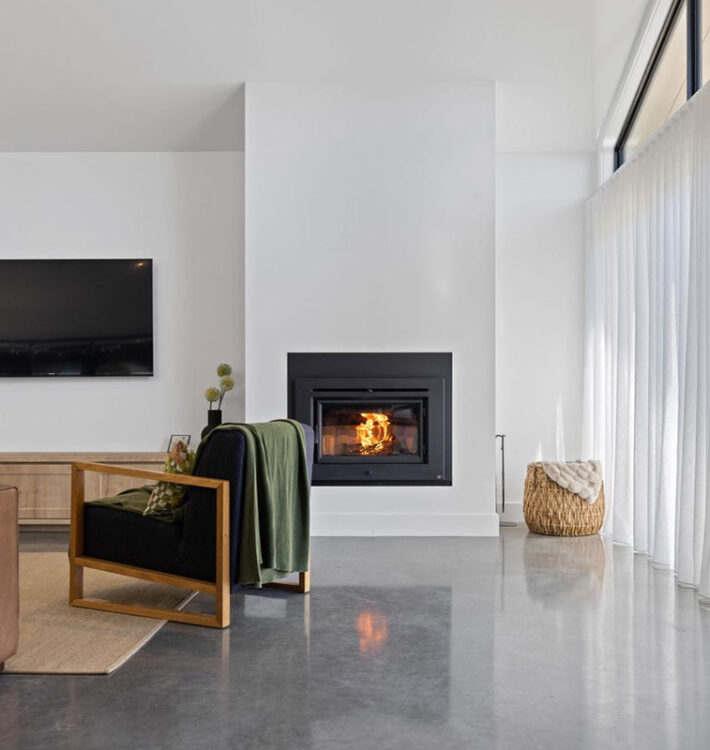
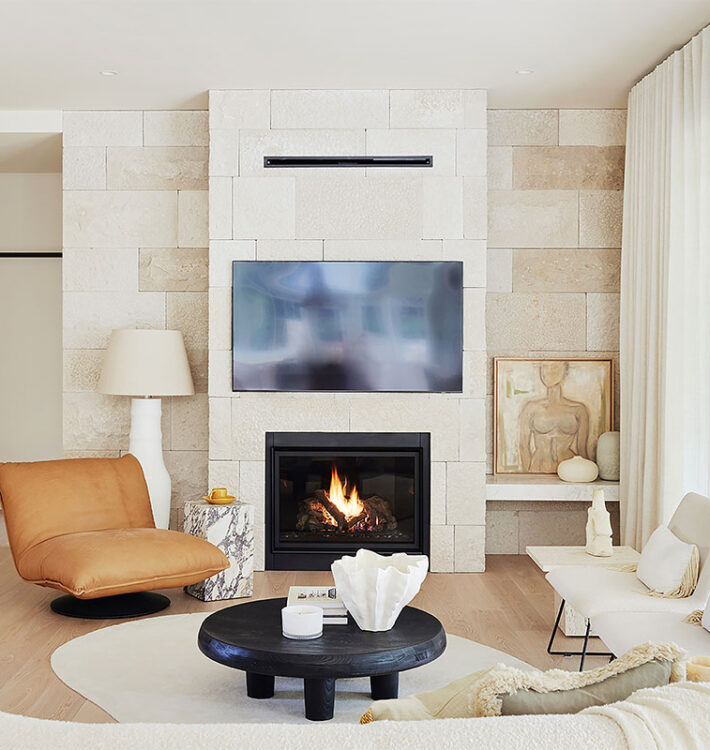
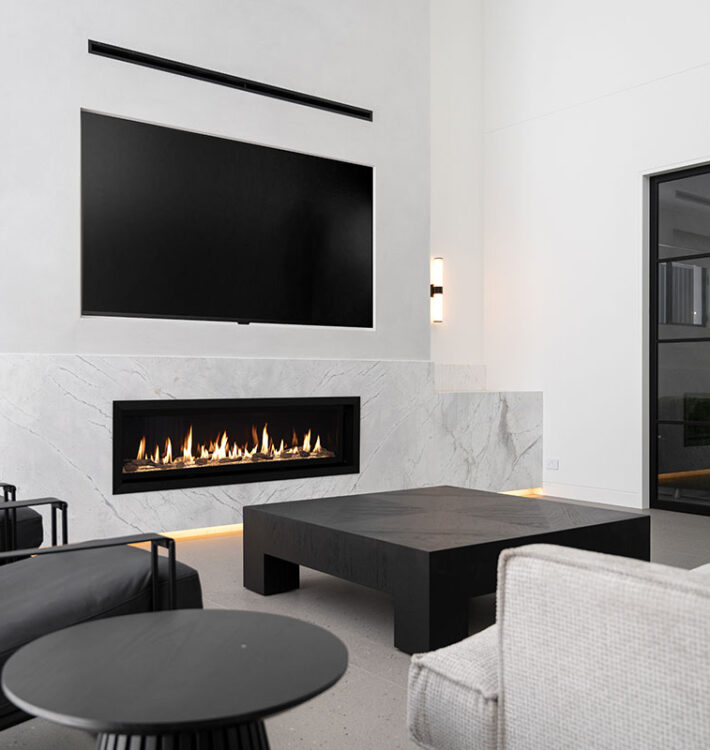
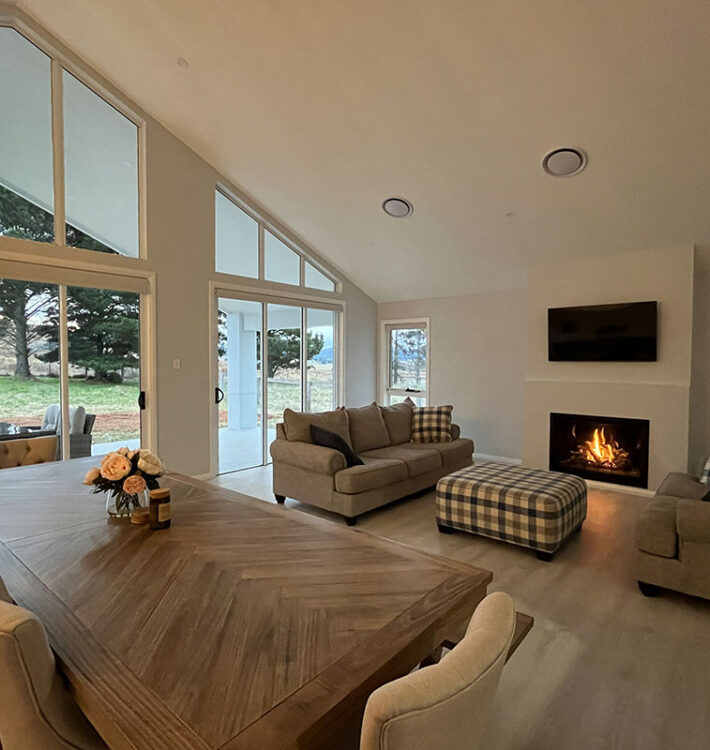
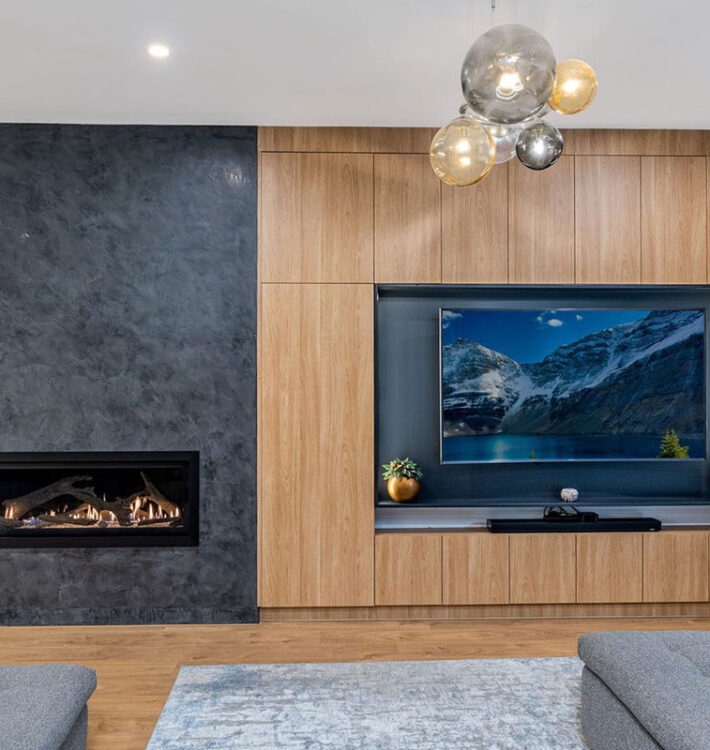
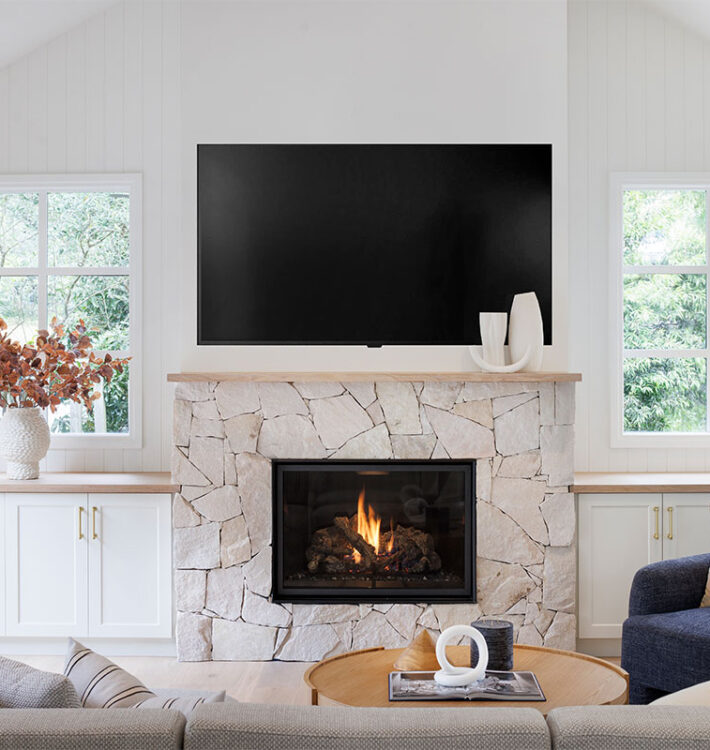
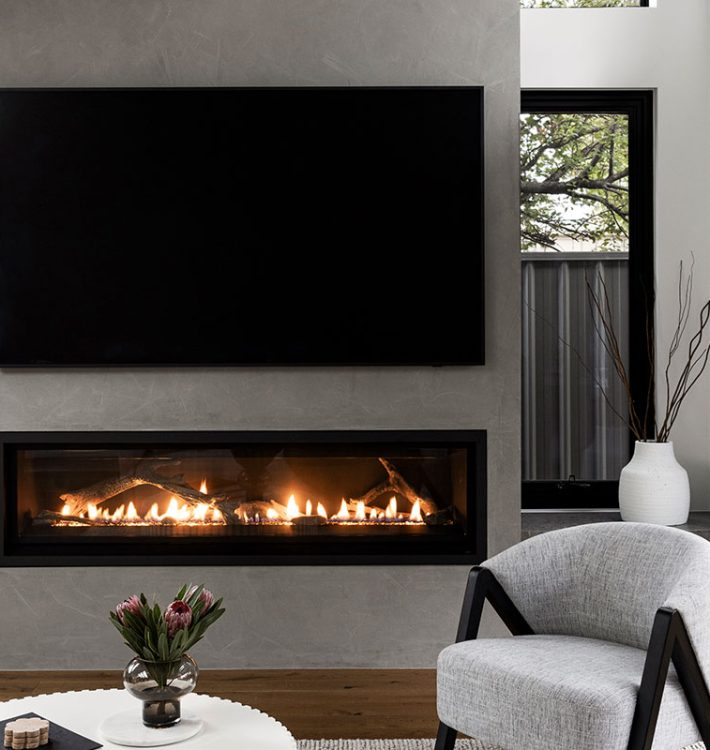
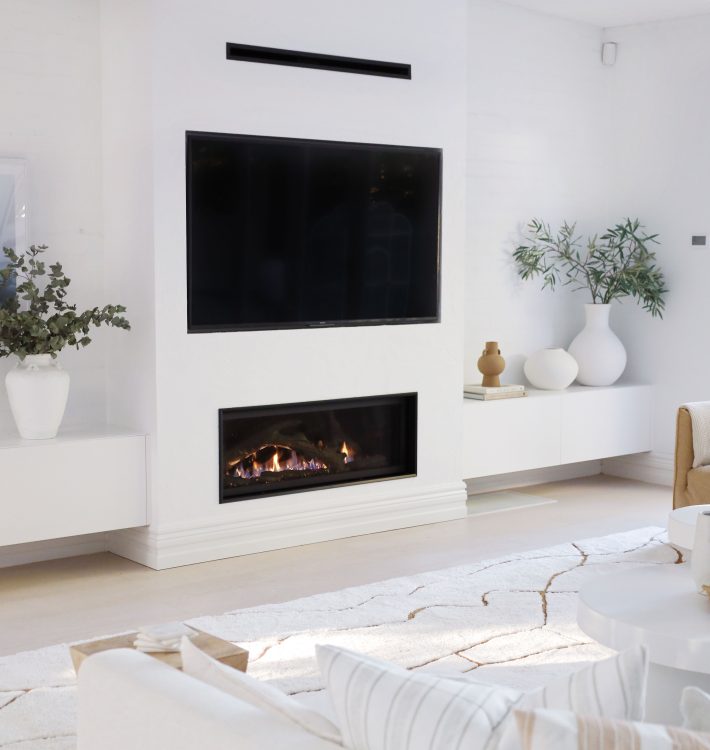
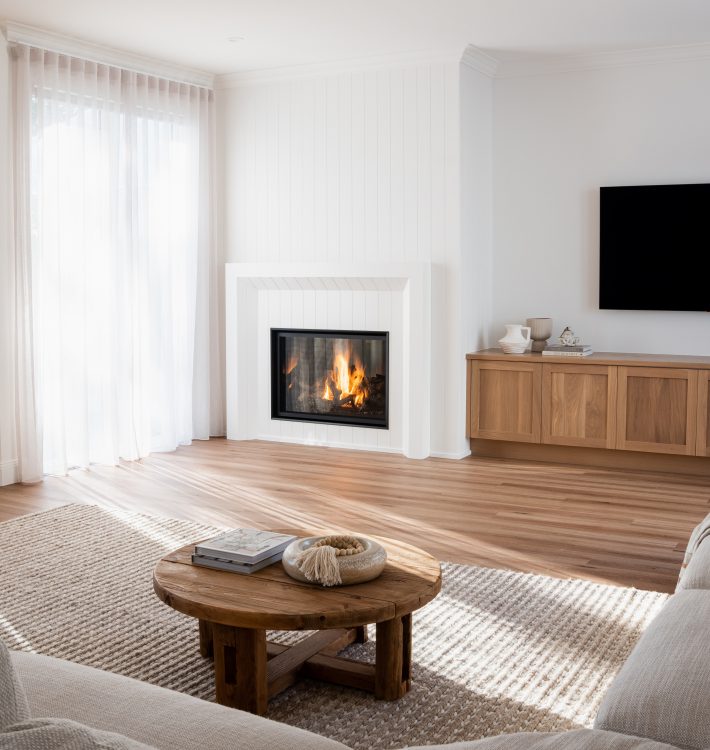
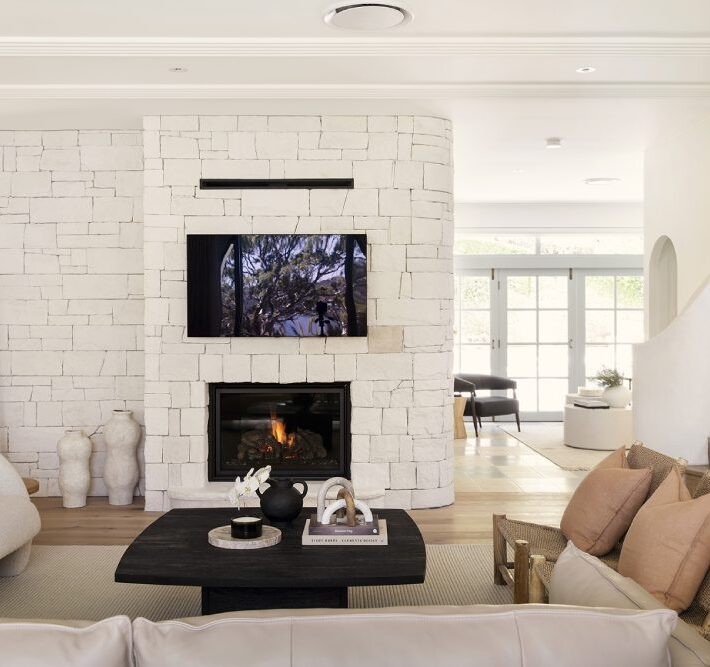
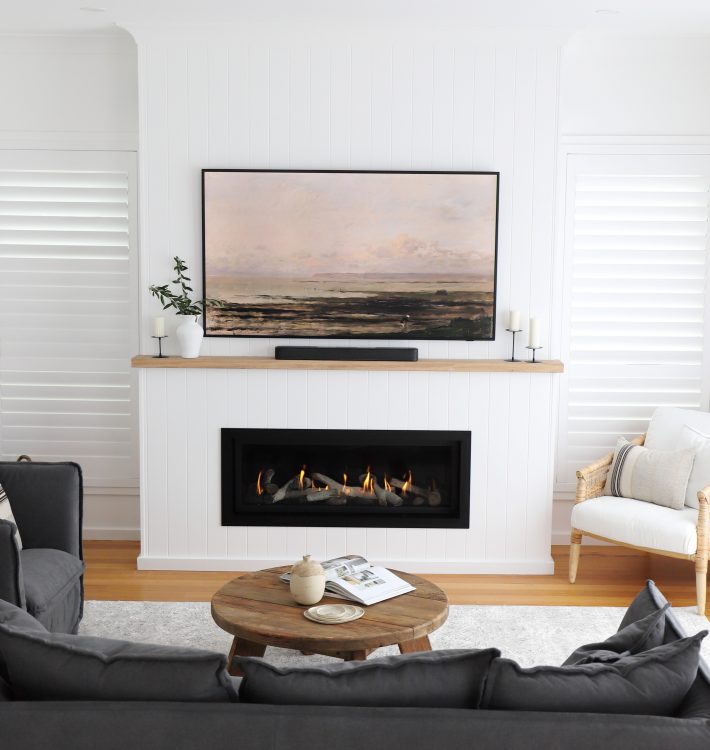
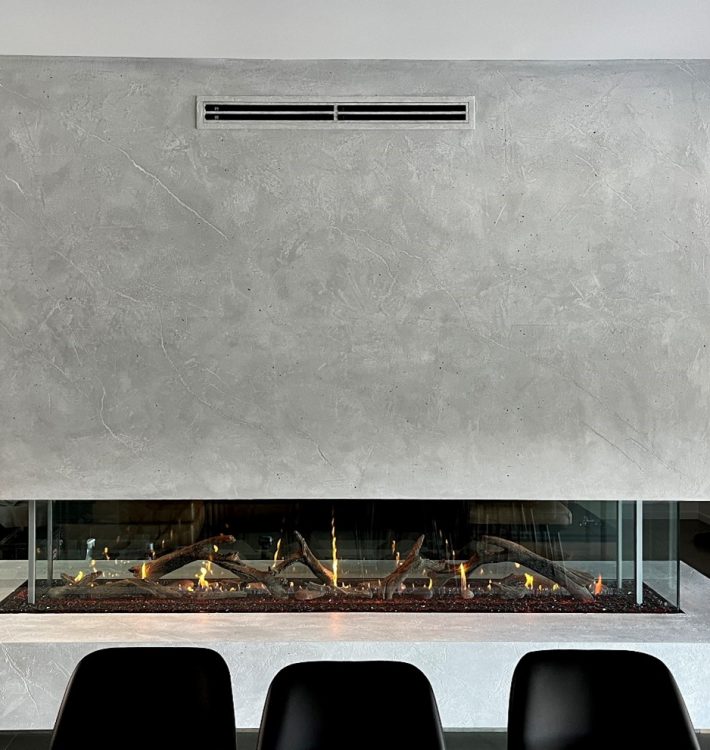
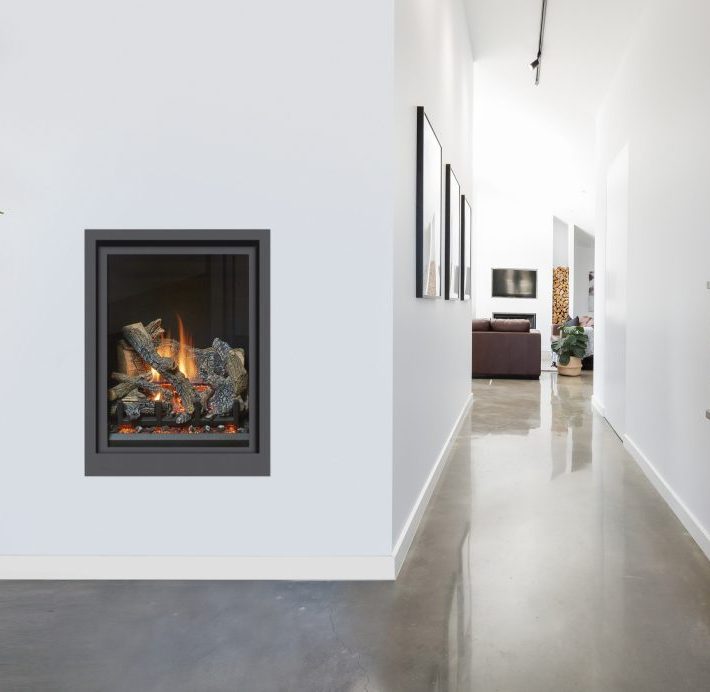
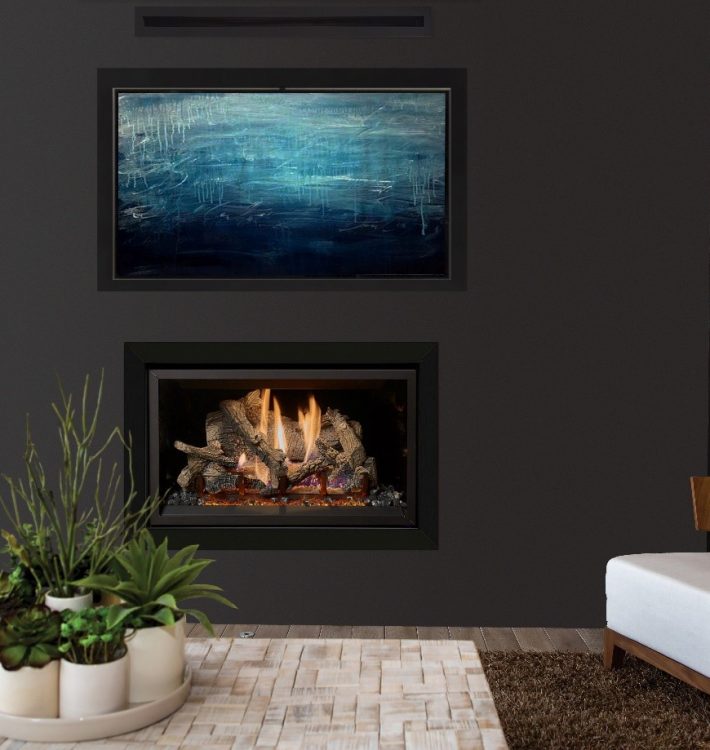
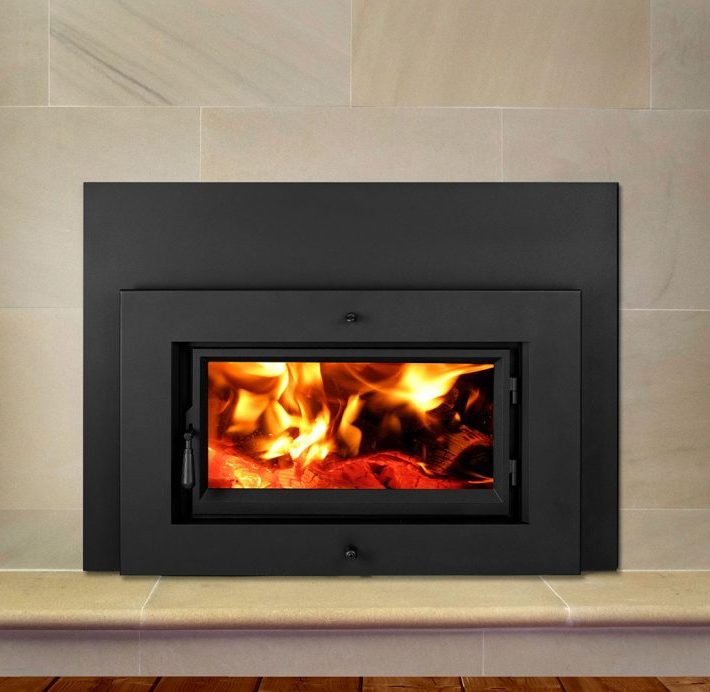
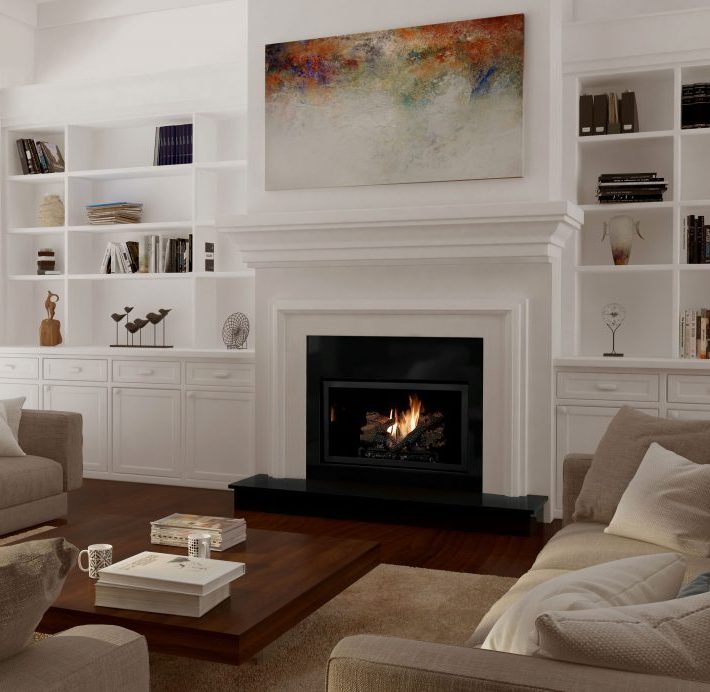
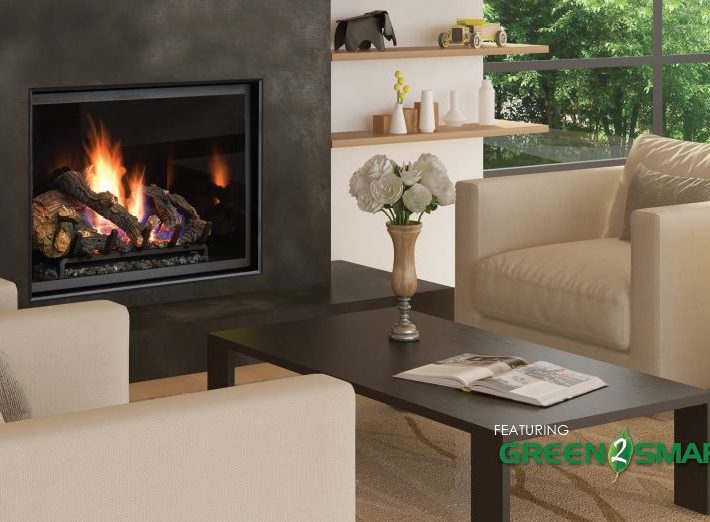
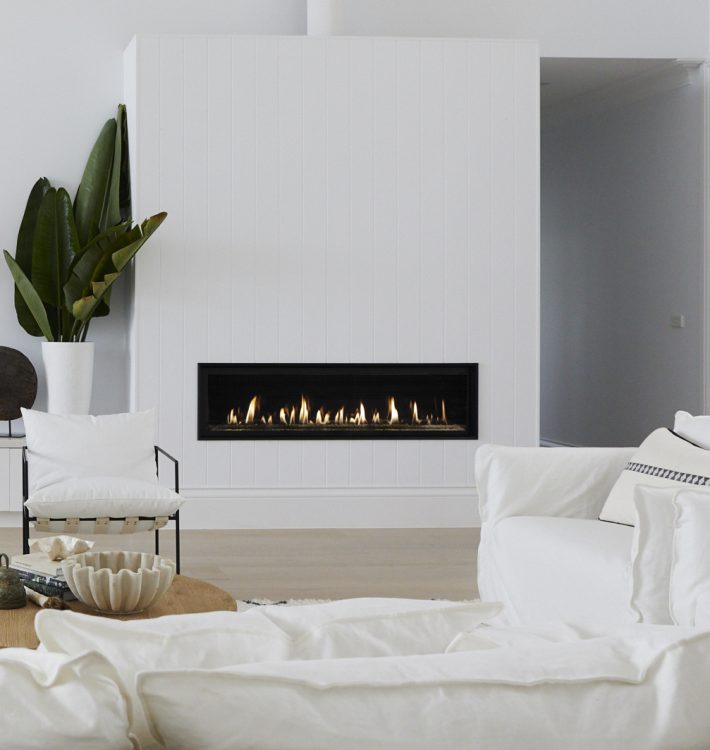
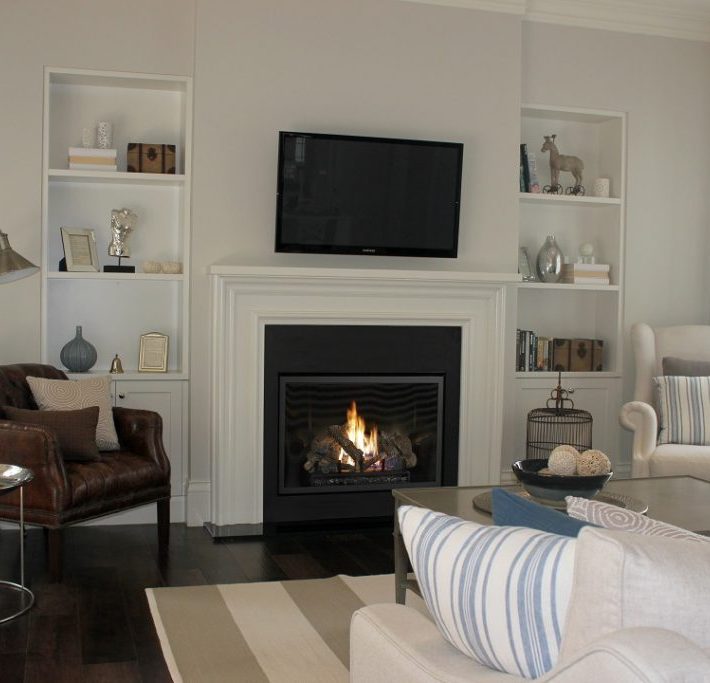
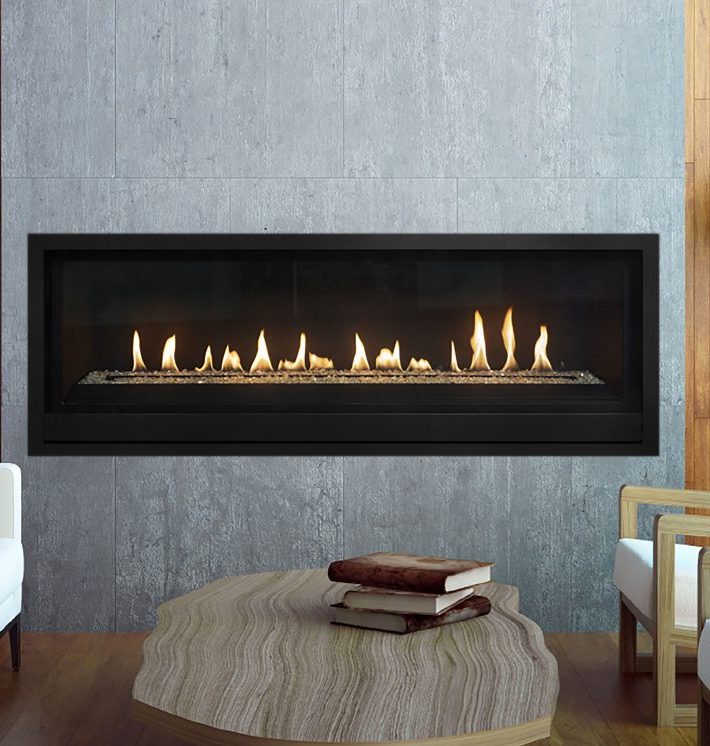
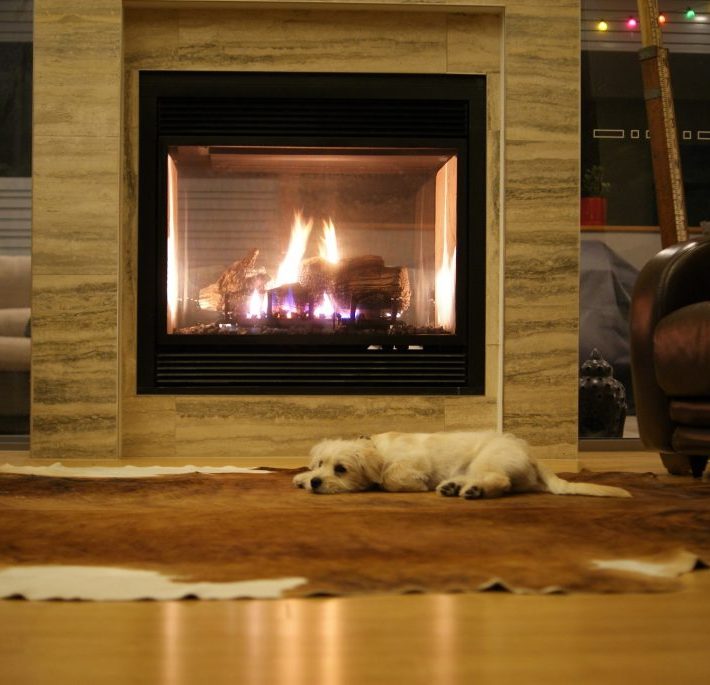
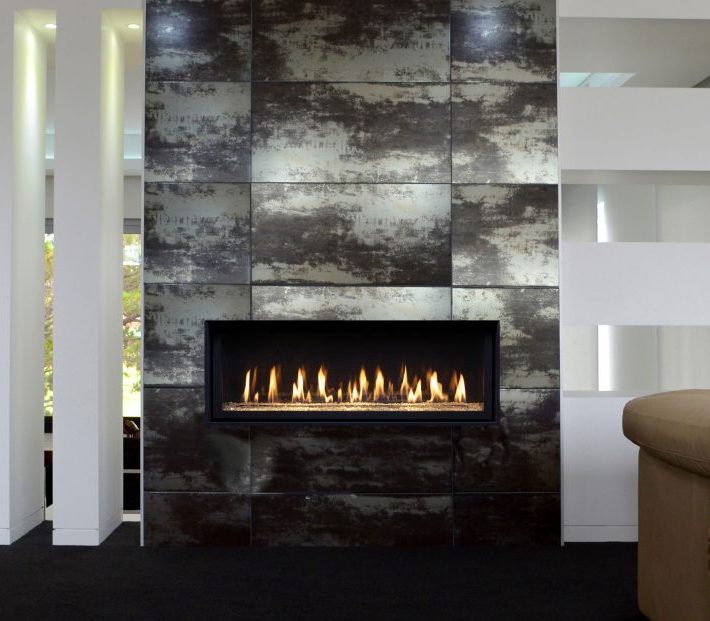
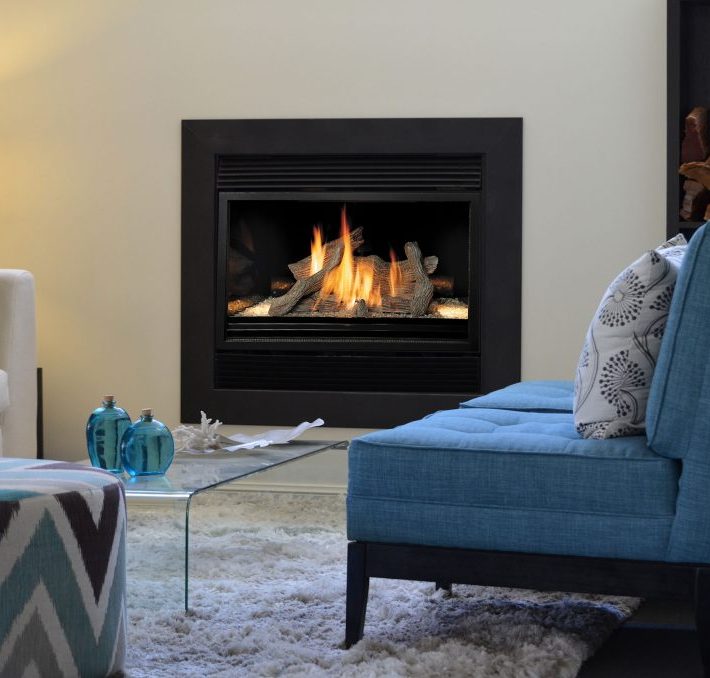
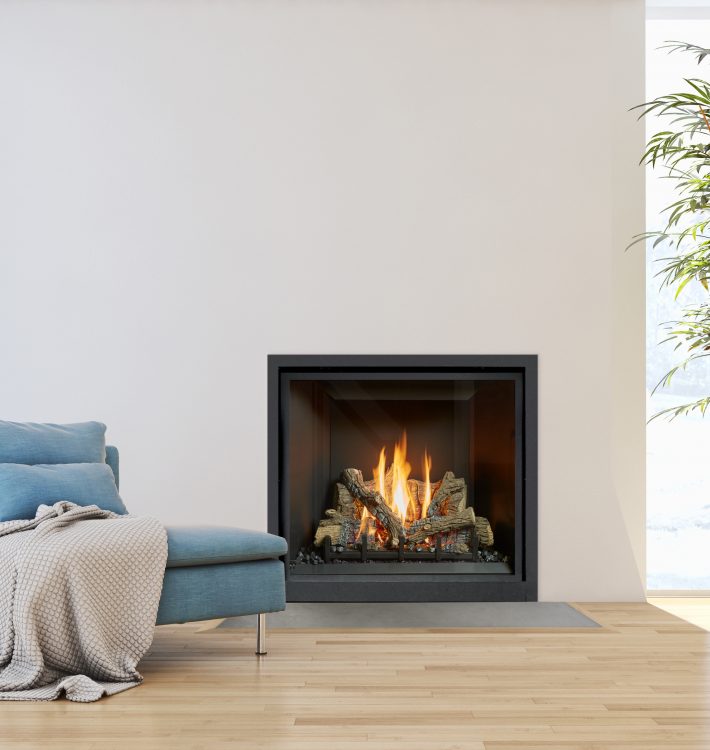
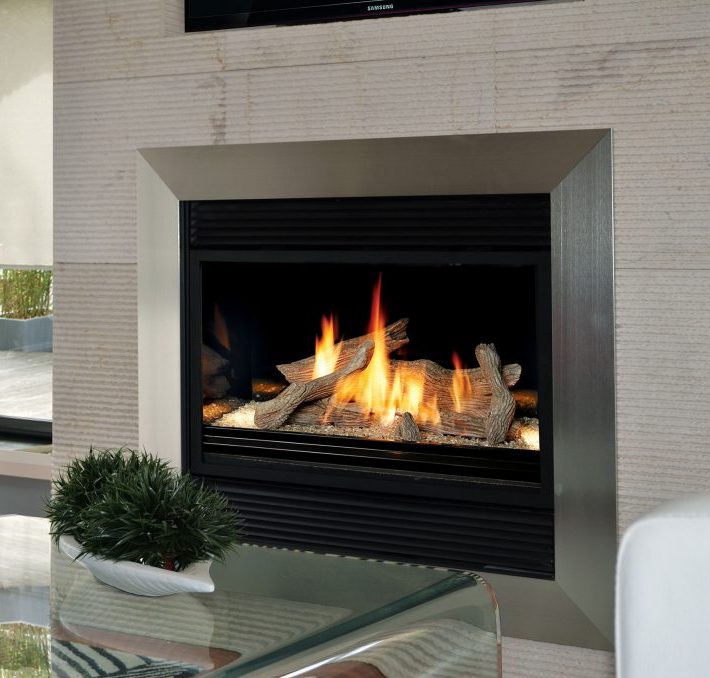
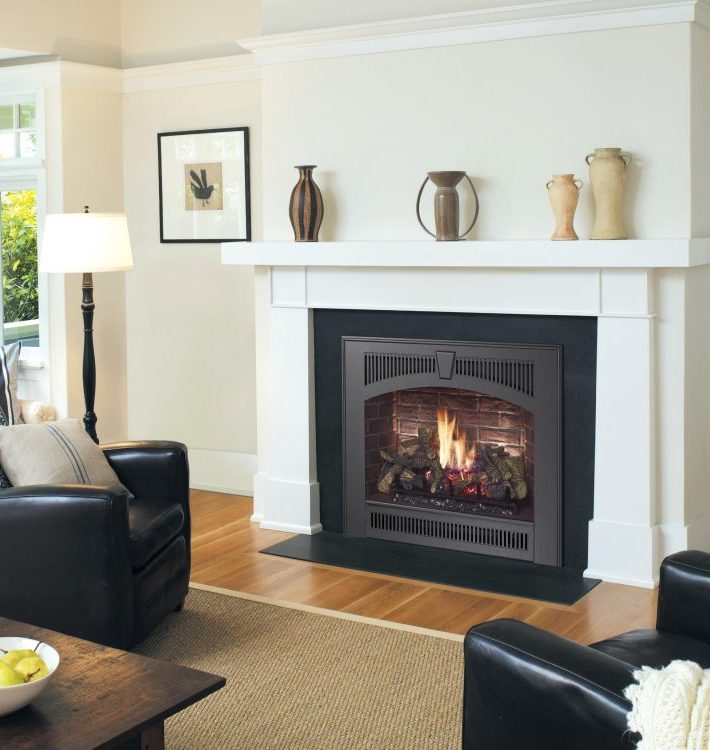
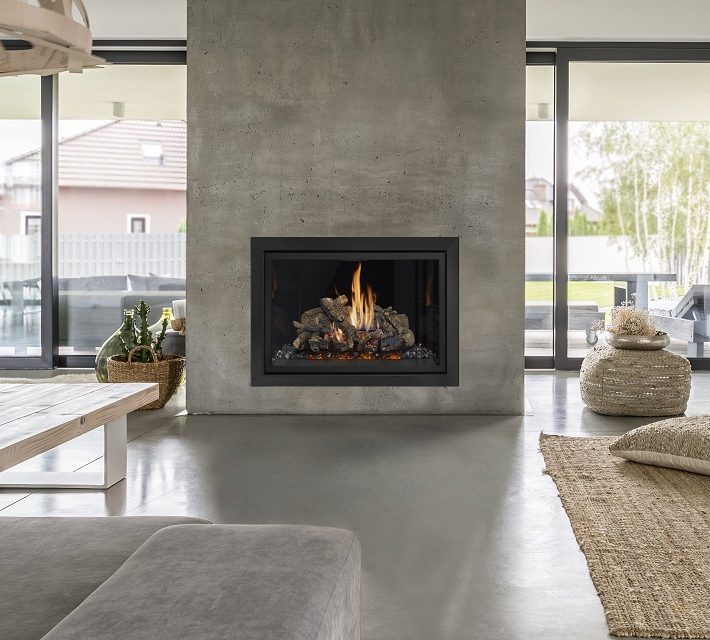
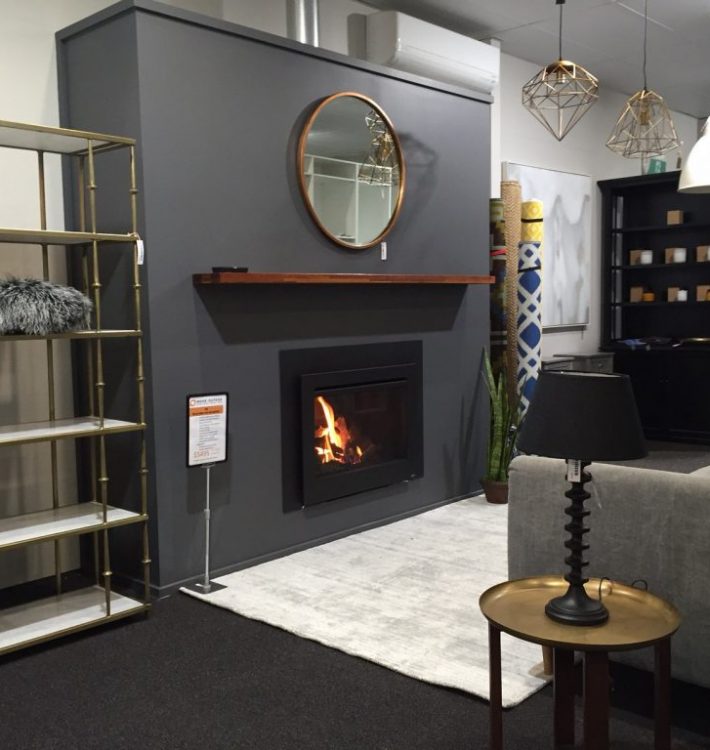
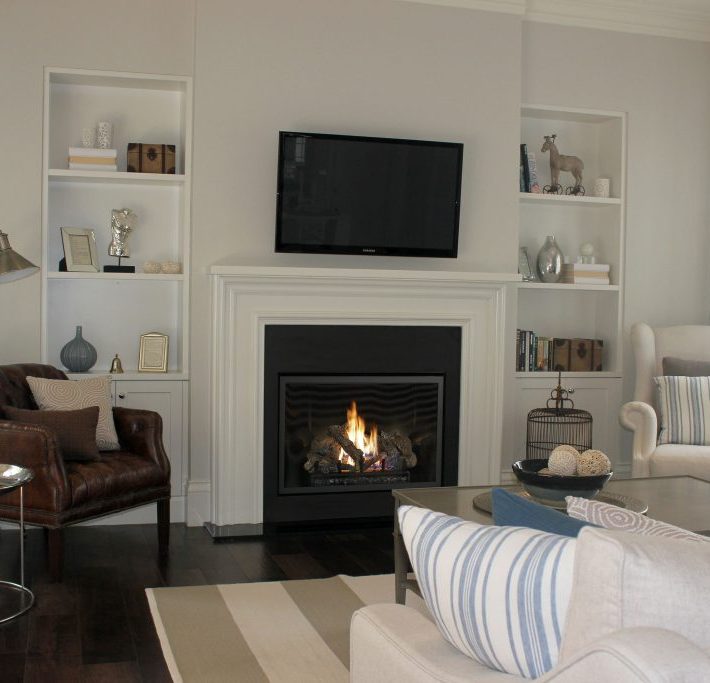
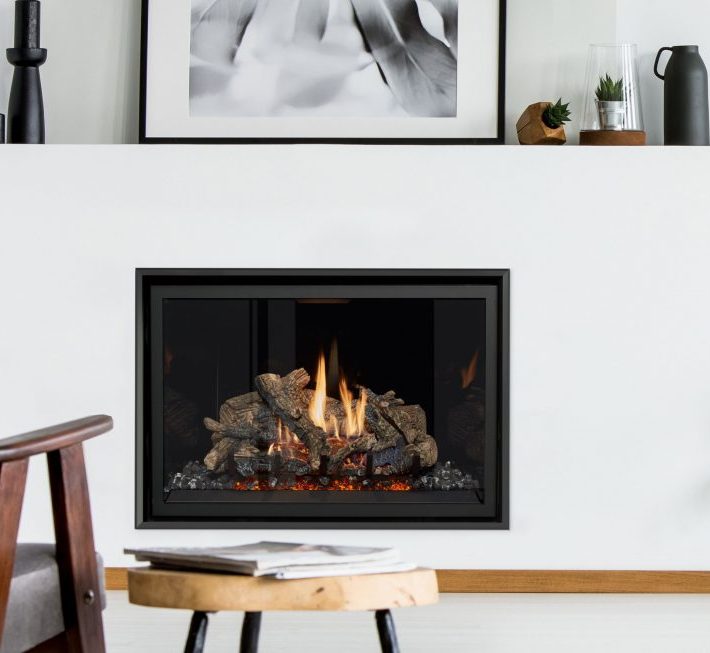
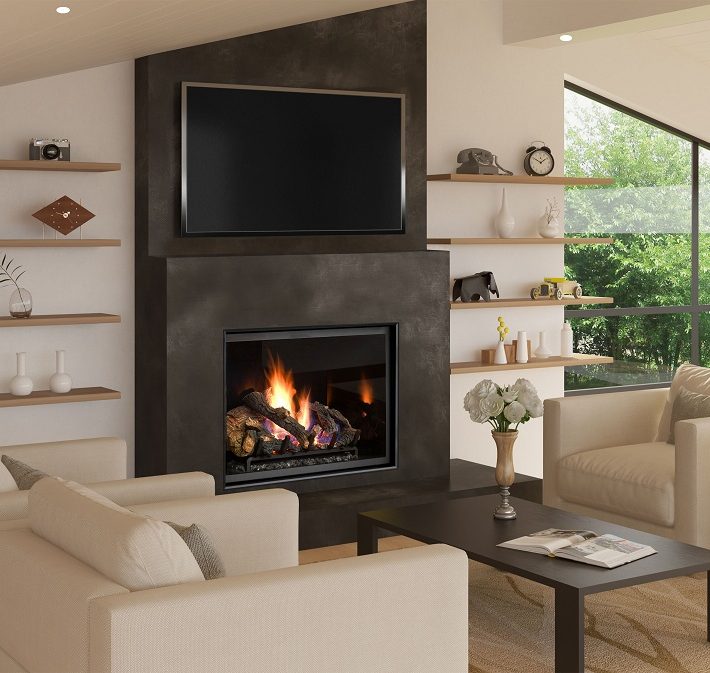
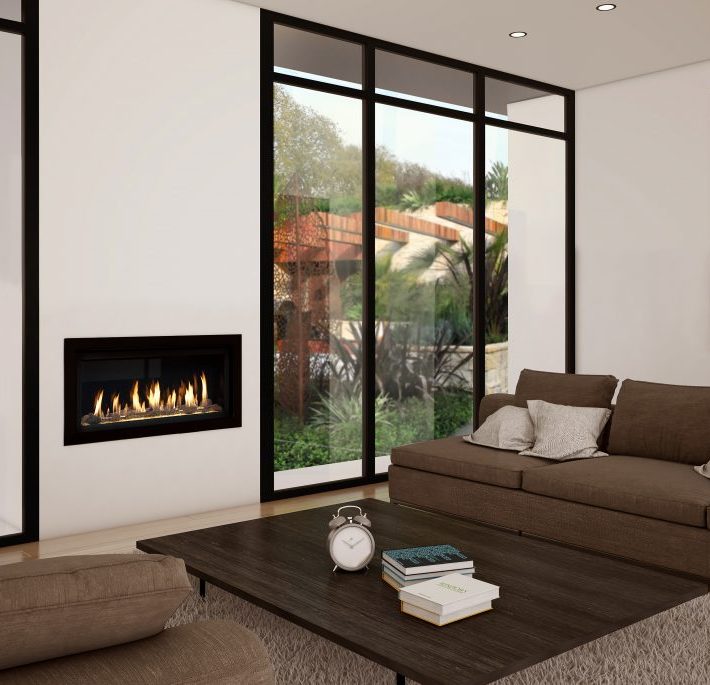
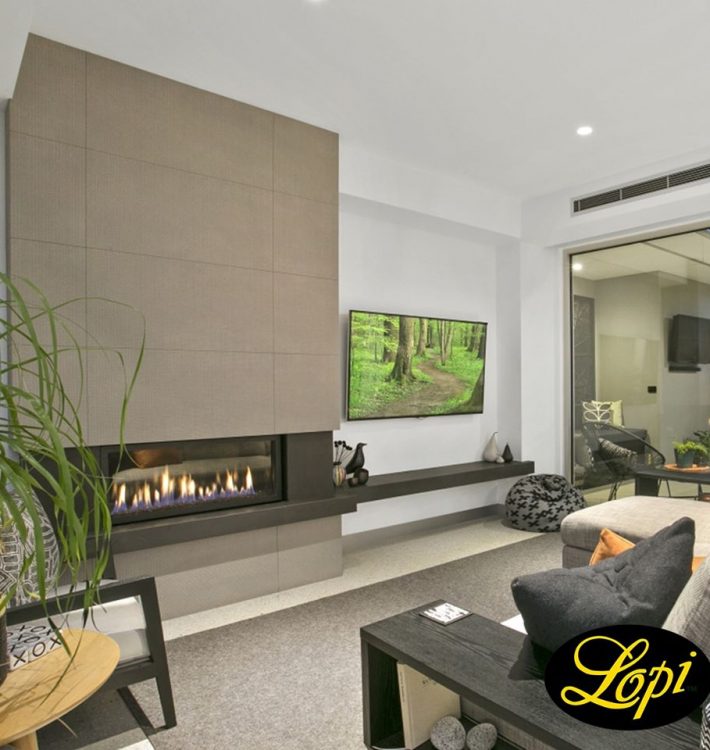
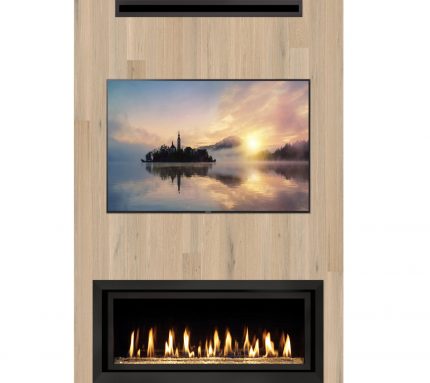
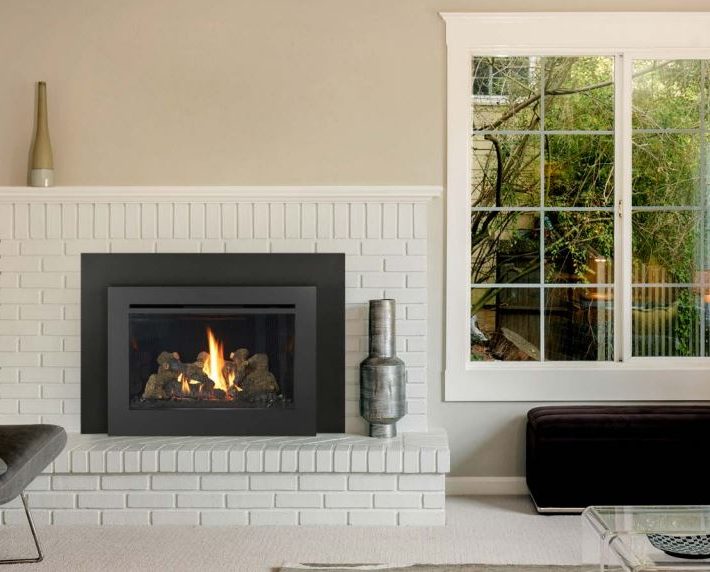
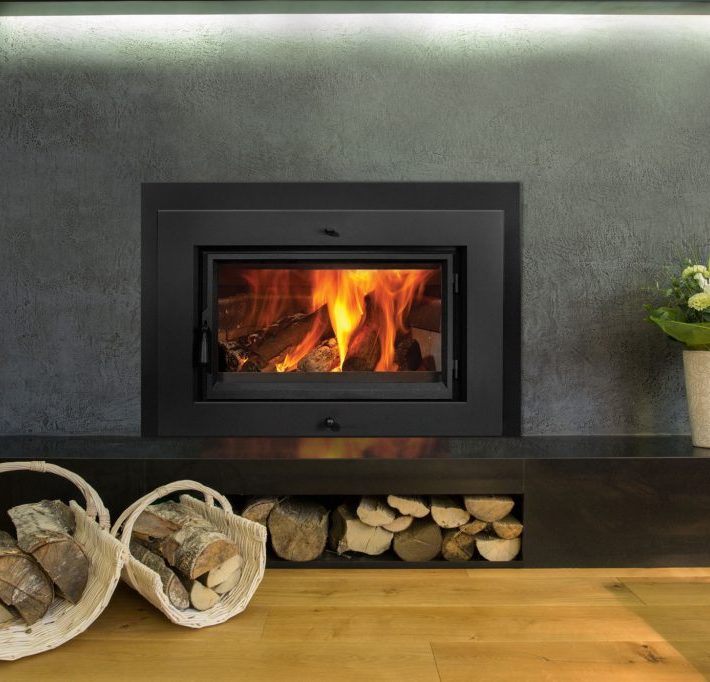
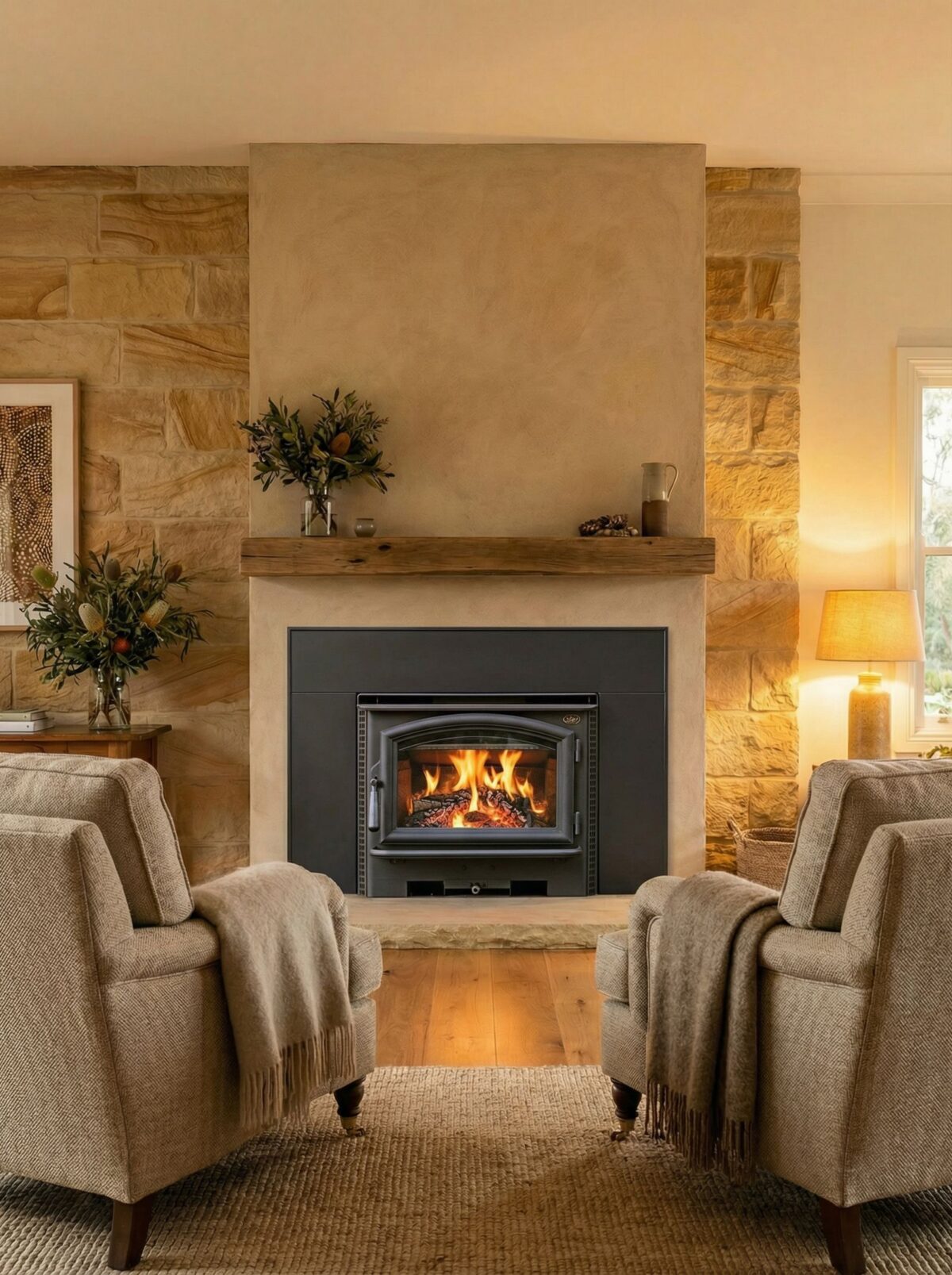
Est. 1990 · Australia An inbuilt wood fireplace is one of the most impactful design decisions you can make when building or renovating a home. Flush with your feature wall, framed by stone or render, with a real wood fire burning behind a wide glass panel — it becomes the soul of the room around it. But it requires careful planning. Here’s what you need to know. Inbuilt Fireplaces Require MasonryThis is the most important thing to understand before you start planning: an inbuilt wood fireplace is installed into a masonry surround. Brick, stone, or a rendered masonry cavity — not a standard timber stud wall. This means your builder needs to plan the masonry opening from the start. It’s not a job to add at the end of a build, and it’s not something that can be retrofitted into a framed wall without significant structural work. |
The Lopi Answer Inbuilt, for example, requires a properly constructed masonry opening. It’s designed for new builds with masonry construction, heritage renovations, or replacing an existing fireplace opening in an established home.
When to Plan It
If you’re building a new home, the time to plan your fireplace is at the design stage — ideally before the framing and masonry work begins. This allows the builder to position the opening correctly, plan the flue penetration, and construct the hearth from the start.
If you’re renovating, the same principle applies: plan the fireplace before walls are opened up, not after.
What You’ll Need
A masonry opening: Your builder will construct a masonry cavity in the feature wall to receive the firebox. The dimensions are specified in your Lopi product documentation, and your installer will confirm the exact requirements.
A flue system: An inbuilt wood fireplace requires a flue to draw combustion air and expel exhaust gases. This may connect to an existing masonry chimney or use a modern twin-wall insulated flue system that exits through the ceiling or an external wall.
A non-combustible hearth: Australian standards require the hearth in front of the fireplace opening to be a non-combustible material — typically stone, tile, or concrete — extending a minimum distance in front of and to the sides of the opening. Your installer will specify exact dimensions.
Choosing the Right Model
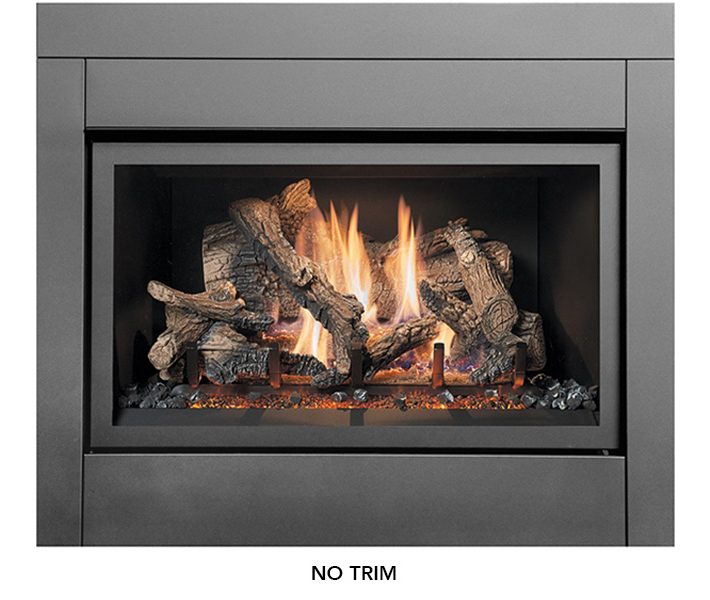
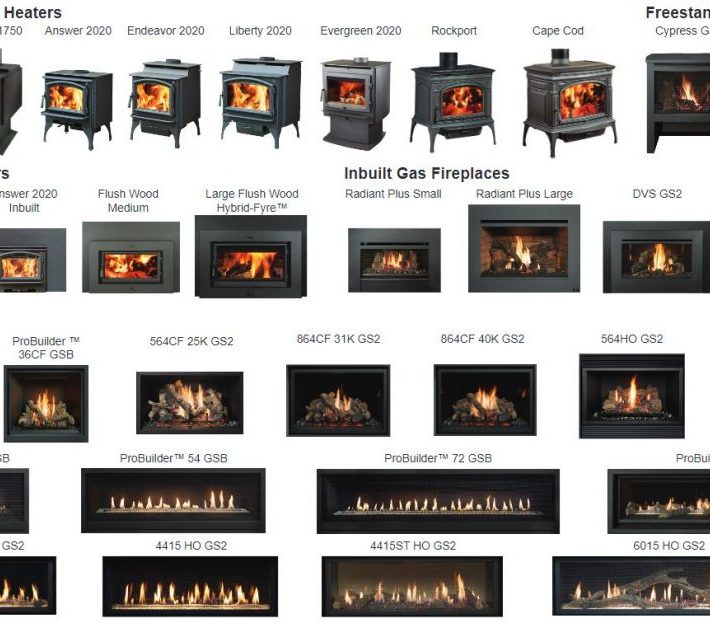
Lopi’s inbuilt wood fireplace range includes models with varying firebox dimensions, flue configurations, and glass sizes. The right choice depends on the size of your wall opening, your ceiling height, your planned flue routing, and the visual proportions you want in the finished room.
This is where a Lopi specialist dealer is invaluable. They’ll work through your drawings, your space, and your aesthetic goals to recommend the right model and specification.
Done well, an inbuilt Lopi wood fireplace is one of the most enduring features a home can have. Talk to your builder and your nearest Lopi specialist dealer early — before the masonry work begins. Find a Lopi dealer near you: lopi.com.au/find-a-store
 SEE ALL ARTICLES